Control Oral Biofilm and Plaque to Protect Teeth, Gums and a Healthier Mouth
Direct answer: Plaque is a structured microbial biofilm that adheres to tooth surfaces. Because it is physically attached, the most direct way to control it is mechanical disruption through brushing, interdental cleaning and professional cleaning when needed. Supplements may influence the oral environment indirectly, but they should not be presented as substitutes for plaque removal.
This site may earn a commission from qualifying purchases. Commercial relationships do not change the evidence standard used in the buyer guidance.
Dentolyn Oral-Health Supplement
Review the product profile after the page-specific problem and evidence question are clear.
Dentolyn
Oral-health supplement currently reviewed for formula, evidence, safety, legitimacy and buyer-protection fit across this site.
What actually helps control plaque and oral biofilm?
Mechanical disruption
Brushing and interdental cleaning physically break up plaque attached to teeth.
Dietary frequency
Frequent fermentable-carbohydrate exposure can favor acid-producing biofilm conditions.
Professional cleaning
Deposits that cannot be removed at home may require direct professional management.
Gum monitoring
Plaque accumulation is closely connected with gingival inflammation and periodontal disease.
Evidence discipline
A change in bacterial adherence is not the same as physical plaque removal.
Supplement role
Dentolyn may complement a routine, but it should not be described as a plaque remover.
Keep Dentolyn secondary to the direct oral-care action
Dentolyn is evaluated as an oral-health supplement after the direct cause, daily care and evidence boundaries are clear. The reviewed formula does not establish named live probiotic strains, and the product should not be credited with treating gum disease or mechanically removing plaque without finished-product evidence.
Reasonable role
Optional supplemental support for a user who already has an established oral-care routine and understands the formula.
Evidence limit
Do not convert general microbiome, xylitol, vitamin or probiotic research into a finished-product treatment claim without direct supporting evidence.
Resolve the oral-health problem before comparing packages
Use this page to understand the direct care steps and evidence limits. Move to package selection only after those questions are clear.
Plaque is a living biofilm attached to tooth surfaces
The supplied review describes dental biofilm as a complex ecosystem in which microorganisms colonize tooth surfaces and become embedded in extracellular material. This structure helps explain why plaque adheres rather than simply rinsing away. A useful plaque-control strategy therefore needs direct physical disruption.
Biofilm formation begins with a surface layer on the tooth
The reviewed source describes formation beginning when a salivary glycoprotein film coats the tooth surface. Early microbial colonizers then create extracellular polymers that help additional microorganisms attach. This developing structure can create favorable binding sites and protect microbial communities within the biofilm.
Acid-producing organisms can make plaque more harmful to teeth
Within cariogenic biofilms, acid-producing organisms can metabolize carbohydrates into organic acids. Repeated low-pH conditions contribute to enamel demineralization and caries risk. This is why plaque control and dietary frequency need to be considered together rather than as separate issues.
Brushing directly addresses the physical structure
Effective tooth brushing is repeatedly emphasized in the supplied literature because it removes food debris and helps prevent further plaque growth. Unlike a supplement, brushing acts directly on the biofilm attached to tooth surfaces. That difference should remain clear in any buyer guidance.
Interdental cleaning reaches spaces brushing may miss
Plaque can persist between teeth and along areas that are difficult for a toothbrush to reach. Interdental cleaning complements brushing by disrupting biofilm in these spaces. A product marketed for oral-health support should not be allowed to displace this direct form of plaque control.
Plaque is also central to gum inflammation
The review describes gingivitis as commonly caused by accumulation of microbial plaque on tooth surfaces. As periodontal disease progresses, subgingival plaque communities can shift in composition and contribute to a more inflammatory environment. This links plaque control not only to teeth but also to gum health.
Not every plaque claim measures the same outcome
Research may measure plaque quantity, bacterial counts, adherence, acid production, microbial composition or gum inflammation. These endpoints are related but not interchangeable. A product that affects one bacterial measure should not automatically be described as removing plaque or preventing periodontal disease.
Xylitol evidence needs to stay specific
Xylitol has been studied in oral-care formats such as gums and mints, with findings relating to Streptococcus mutans counts and plaque adherence. Those findings support ingredient relevance, but they do not establish that every xylitol-containing supplement mechanically removes plaque or reproduces the same exposure pattern.
Why Dentolyn should not be called a plaque remover
Dentolyn's reviewed formula includes xylitol and other ingredients, but the current evidence set does not establish that the finished product physically disrupts dental biofilm. Calling it a plaque remover would therefore go beyond the evidence. Its more defensible role is optional oral-health support alongside established hygiene.
Professional cleaning may be required for persistent deposits
Once hard deposits or difficult-to-remove buildup are present, home brushing may not be enough. Professional cleaning can directly address deposits and evaluate whether inflammation or periodontal disease is developing. Supplement shopping should not delay this step.
A practical plaque-control framework
| Problem | Direct response |
|---|---|
| Daily plaque | Brush thoroughly and consistently. |
| Interdental plaque | Use appropriate interdental cleaning. |
| Repeated acid pressure | Reduce frequent fermentable-carbohydrate exposure. |
| Persistent deposits | Seek professional cleaning and assessment. |
| Supplement interest | Evaluate only after direct plaque-control steps are in place. |
How to judge a plaque-support product claim
Ask exactly what was measured. Was it plaque mass, bacterial adherence, one microbial species, gum inflammation or another endpoint? Then ask whether the evidence comes from the same formulation and delivery method as the product being sold. This prevents ingredient-level findings from being expanded into a broader finished-product promise.
Practical conclusion
Plaque control is primarily a mechanical problem. Brushing, interdental cleaning, diet management and professional care when needed directly address the environment in which biofilm develops. Dentolyn may be considered as a supplementary layer, but not as a substitute for physical plaque disruption.
Reference framework: Rajasekaran JJ et al. “Oral Microbiome: A Review of Its Impact on Oral and Systemic Health.” Microorganisms. 2024;12:1797. DOI 10.3390/microorganisms12091797.
Why plaque control needs to be repeated every day
Biofilm can re-form after cleaning, which is why plaque control is an ongoing process rather than a one-time intervention. Consistency matters because allowing plaque to remain undisturbed for long periods gives the microbial community more time to mature and interact with the gumline and tooth surface. A supplement does not change that physical reality. The strongest plaque-control routine therefore combines repeated brushing, interdental cleaning, attention to dietary frequency and professional cleaning when home care is not enough.
Why timing and technique affect plaque control
Brushing briefly or inconsistently can leave plaque behind even when the routine feels complete. Technique, coverage and repetition matter because plaque is attached to surfaces and accumulates in harder-to-reach areas. A useful oral-health plan therefore focuses on how well the routine disrupts biofilm, not simply whether a toothbrush or supplement appears somewhere in the day.
Choose the next guide based on the problem you still need to solve
Healthy gums guide
Healthy oral microbiome guide
Xylitol and oral health
Review deeper plaque evidence
Compare current packages
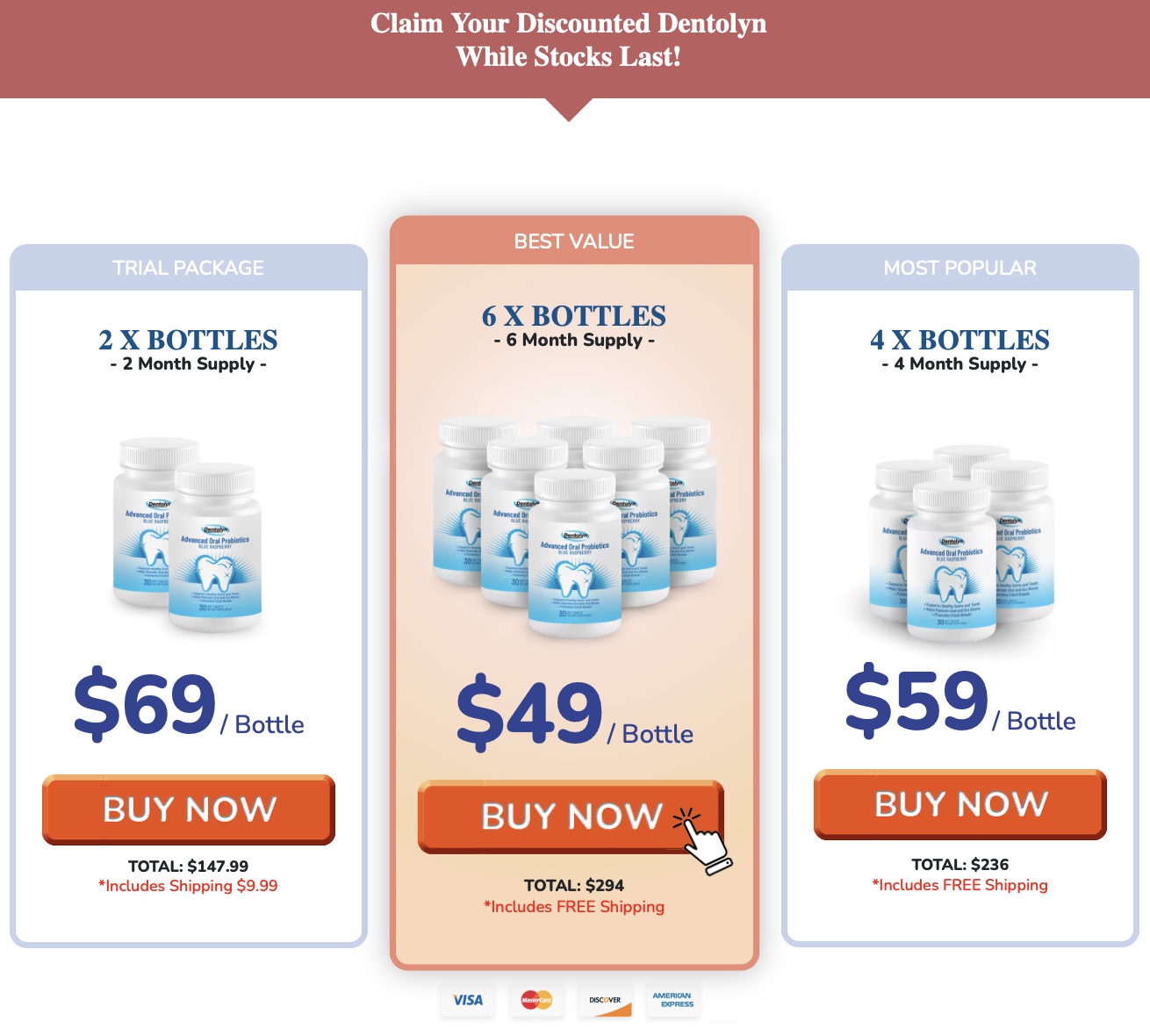
Ready to compare the current offer?
Only move to package selection after the health and evidence questions are clear.
Frequently Asked Questions
What is dental plaque?
Plaque is a structured microbial biofilm that adheres to tooth surfaces.
What is the best way to remove plaque?
Mechanical disruption through brushing and interdental cleaning is foundational, with professional cleaning when needed.
Can plaque affect gums?
Yes. Plaque accumulation is closely associated with gingivitis and periodontal disease.
Does xylitol remove plaque?
Xylitol research can involve bacterial counts and plaque adherence, but that is not the same as physical plaque removal.
Does Dentolyn remove plaque?
The current evidence set does not establish Dentolyn as a plaque remover.
When should plaque buildup be professionally assessed?
Persistent deposits, bleeding, swelling, pain or signs of periodontal disease should be professionally evaluated.