Support a Healthier Oral Microbiome by Reducing Dietary Pressure on Teeth and Plaque
Direct answer: Diet can influence the oral microbiome because fermentable carbohydrates such as sugars and starches can support acid-producing bacteria. Repeated acid production within dental biofilm can contribute to enamel demineralization and cavities. A practical oral-health strategy therefore looks at eating patterns and plaque control before relying on supplements.
This site may earn a commission from qualifying purchases. Commercial relationships do not change the evidence standard used in the buyer guidance.
Dentolyn Oral-Health Supplement
Review the product profile after the page-specific problem and evidence question are clear.
Dentolyn
Oral-health supplement currently reviewed for formula, evidence, safety, legitimacy and buyer-protection fit across this site.
Which dietary habits matter most for a healthier oral environment?
Frequency of sugar exposure
Repeated exposure can repeatedly feed acid-producing bacteria within biofilm.
Starches also matter
Fermentable carbohydrates include more than obvious sweets.
Plaque changes the effect
Dietary sugars interact with biofilm, so cleaning remains essential.
Saliva provides context
Saliva helps shape oral conditions and can influence how the mouth responds between eating events.
Whole-pattern thinking
A single food is less informative than the repeated pattern of eating and oral care.
Supplement role
Dentolyn can be considered only after dietary and hygiene fundamentals are addressed.
Use Dentolyn only after the direct oral-health factors are clear
Dentolyn is evaluated as an optional oral-health supplement. Its reviewed formula includes xylitol, but ingredient relevance does not establish the efficacy of the finished product. The page keeps direct oral-care actions, ingredient evidence and Dentolyn-specific claims separate.
Reasonable role
Optional supplemental support for a user who has already addressed the diet, hygiene and plaque-control fundamentals relevant to the goal.
Evidence limit
Do not treat the presence of xylitol or another ingredient as proof that Dentolyn prevents cavities, removes plaque or changes the oral microbiome in a defined way.
Resolve the oral-health question before comparing packages
Use this page to understand the relevant behavior, ingredient evidence and product limits. Move to package selection only after those questions are clear.
Diet is one of the major environmental inputs to the oral microbiome
The supplied review identifies diet as an important factor influencing oral microbial composition and equilibrium. Nutrients do more than feed the person: they also create substrates that oral microorganisms can metabolize. This makes dietary pattern part of the oral-health environment rather than a separate lifestyle issue.
Fermentable carbohydrates can favor acid-producing bacteria
The review specifically notes that fermentable carbohydrates such as sugars and starches strongly influence the proliferation of acid-producing bacteria, including Streptococcus mutans. These organisms can generate acids that lower local pH and contribute to enamel demineralization and cavity development.
Frequency can matter as much as the food itself
Repeated carbohydrate exposure can create repeated acid challenges within dental biofilm. A person who consumes sugar or starch frequently throughout the day may therefore create a different oral environment from someone whose exposure is less frequent, even if the total amount looks similar. This is why eating pattern deserves attention alongside ingredient lists.
Plaque provides the ecological setting in which diet acts
Carbohydrates do not interact with bare enamel in isolation. They are metabolized within microbial communities living in plaque biofilm. Effective brushing and interdental cleaning reduce the biofilm burden and remain essential even when the diet is improved.
Dietary changes do not require a bacteria-free mouth
The oral microbiome is a normal, diverse ecosystem. The goal of dietary improvement is not to eliminate microbes but to reduce conditions that repeatedly favor acid production and disease-associated ecological shifts. This keeps the focus on environment and function rather than fear of bacteria.
Starches belong in the conversation too
The supplied review groups sugars and starches within fermentable carbohydrates that can influence acid-producing organisms. Consumer discussions often focus only on obvious sweets, but a more complete oral-health framework considers the broader pattern of fermentable carbohydrate exposure.
Saliva helps moderate the oral environment
Saliva contributes to oral lubrication and chemical balance. Persistent dry mouth can change how comfortable the mouth feels and can affect the environment in which dietary acids and biofilm interact. Hydration and investigation of persistent dryness are therefore relevant to diet-focused oral care.
Some foods can influence different microbial functions
The review also notes that dietary nitrate can affect salivary microbial composition, illustrating that food can influence oral microbial function in more than one direction. This supports a nuanced view: diet affects oral ecology through multiple pathways, and a simple “good food versus bad food” model is incomplete.
Diet should not be presented as a stand-alone caries treatment
Dental caries is multifactorial. Diet is important, but plaque control, saliva, tooth susceptibility, fluoride exposure and professional care can also matter. A diet page should therefore avoid implying that removing one food category guarantees cavity prevention.
Where Dentolyn fits
Dentolyn can be evaluated as an optional oral-health supplement after the user has addressed diet and hygiene fundamentals. The reviewed formula includes xylitol, which is relevant to oral-health research, but that does not allow the product to substitute for reducing repeated dietary pressure on plaque and teeth.
Why xylitol and sugar are not metabolically equivalent for oral bacteria
The supplied review describes xylitol as different from ordinary fermentable sugars in the way S. mutans processes it. This helps explain why xylitol can have oral-health relevance. Even so, the presence of xylitol in a supplement does not cancel a high-frequency sugar pattern elsewhere in the diet.
A practical diet-and-oral-health framework
| Question | Useful action |
|---|---|
| How often are sugars/starches consumed? | Reduce unnecessary repeated exposure. |
| Is plaque being controlled? | Brush and clean interdental spaces consistently. |
| Is dry mouth present? | Address hydration and persistent dryness. |
| Are cavities recurring? | Seek professional assessment rather than relying on diet alone. |
| Is a supplement being considered? | Evaluate it only after dietary and hygiene fundamentals are clear. |
Practical conclusion
Diet shapes oral microbial conditions partly by supplying fermentable carbohydrates that acid-producing bacteria can use. The most useful response is to manage repeated dietary exposure while maintaining direct plaque control. Dentolyn may be an optional adjunct, but it should never be positioned as a way to neutralize an otherwise unfavorable dietary pattern.
Reference framework: Rajasekaran JJ et al. “Oral Microbiome: A Review of Its Impact on Oral and Systemic Health.” Microorganisms. 2024;12:1797. DOI 10.3390/microorganisms12091797.
Why meal pattern can matter more than one isolated food
Oral conditions are shaped by repeated exposures over time. A single sweet food eaten occasionally does not create the same pattern as frequent grazing on fermentable carbohydrates throughout the day. Looking at meal frequency, snacking habits and the timing of oral hygiene can therefore produce a more useful picture of dietary pressure on plaque than focusing on one ingredient in isolation.
Choose the next guide based on the problem you still need to solve
Xylitol and oral health
Plaque and biofilm guide
Healthy oral microbiome guide
Review deeper diet evidence
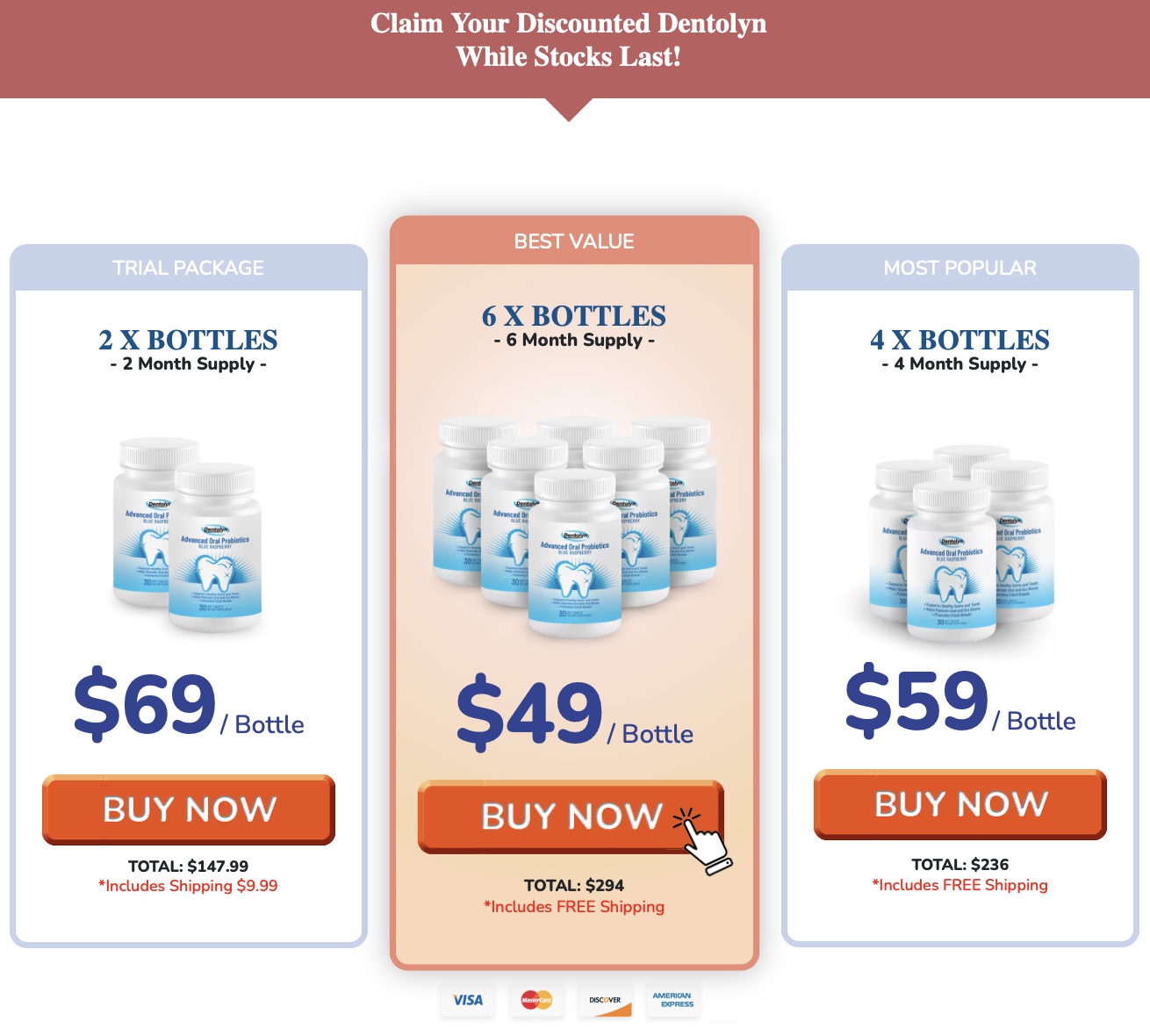
Compare current packages
Ready to compare the current offer?
Only move to package selection after the health and evidence questions are clear.
Frequently Asked Questions
Can diet affect the oral microbiome?
Yes. The supplied review identifies dietary macronutrients and food patterns as factors that can influence oral microbial composition and function.
Why are sugars linked to cavities?
Acid-producing bacteria can metabolize fermentable carbohydrates and generate acids that contribute to enamel demineralization.
Do starches matter too?
Yes. The supplied review includes sugars and starches among fermentable carbohydrates relevant to oral microbial conditions.
Can diet alone prevent cavities?
No. Caries is multifactorial, and plaque control, saliva, tooth factors and professional care also matter.
Can Dentolyn offset a high-sugar diet?
There is no basis to treat Dentolyn as a substitute for reducing repeated dietary pressure on teeth and plaque.
Where does xylitol fit?
Xylitol has oral-health relevance because it is metabolized differently from ordinary fermentable sugars by S. mutans, but finished-product claims still require appropriate evidence.