How to Support a Healthy Oral Microbiome With Practical Daily Habits
Direct answer: Supporting a healthy oral microbiome starts with repeated daily behaviors that shape the oral environment: effective plaque control, consistent brushing and interdental cleaning, sensible dietary patterns, hydration and professional dental care when needed. A supplement can be an optional layer, but it should not displace the habits that directly influence plaque and oral conditions.
This site may earn a commission from qualifying purchases. Commercial relationships do not change the evidence standard used in the buyer guidance.
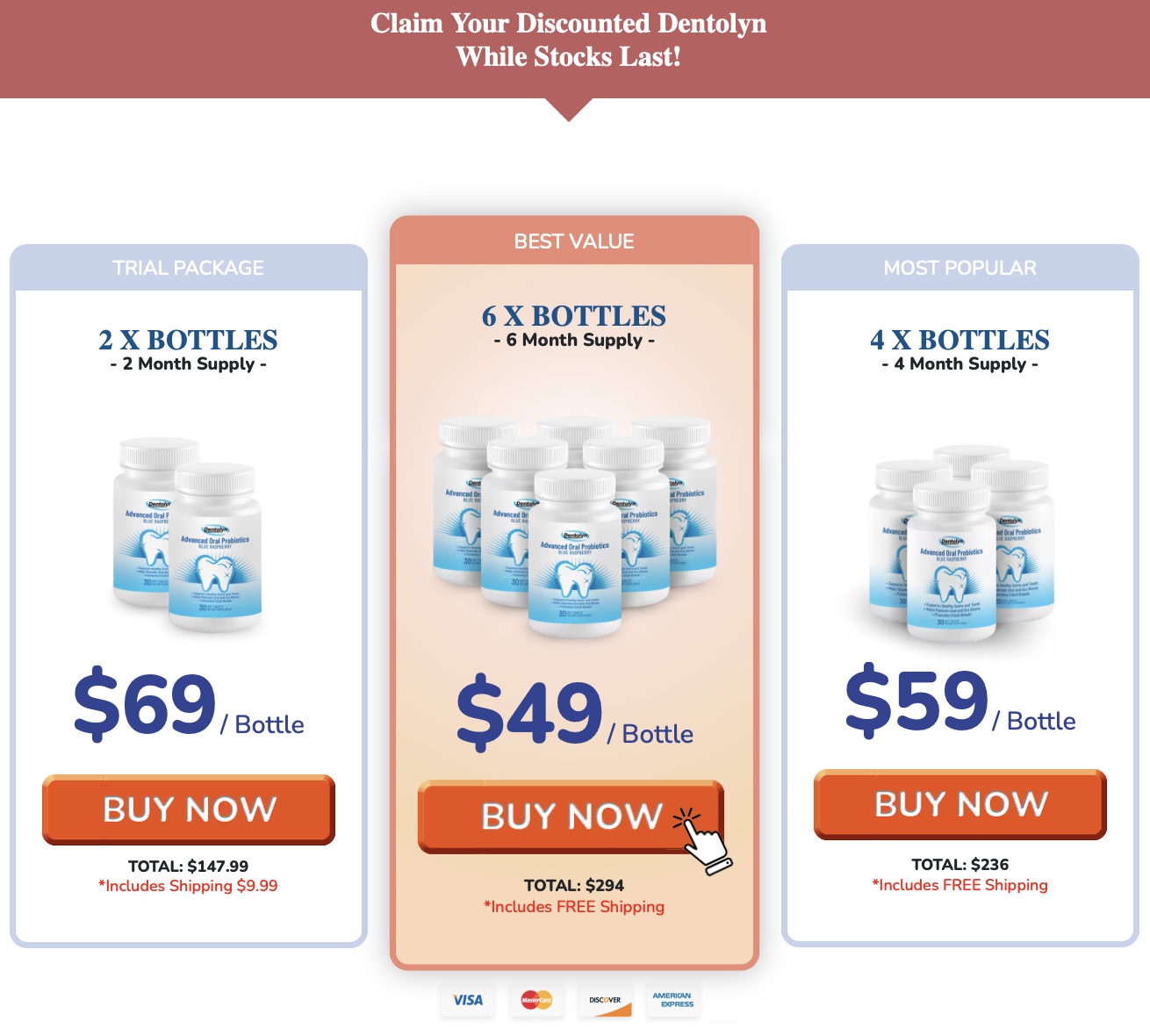
Dentolyn Oral-Health Supplement
Review the product profile after the page-specific problem and evidence question are clear.
Dentolyn
Oral-health supplement currently reviewed for formula, evidence, safety, legitimacy and buyer-protection fit across this site.
Which daily habits do the most to support the oral environment?
Brush and clean between teeth
Mechanical cleaning directly disrupts plaque biofilm and remains the core daily action.
Reduce repeated sugar exposure
Frequency matters because fermentable carbohydrates can support acid-producing biofilm conditions.
Stay attentive to dry mouth
Hydration and review of persistent dryness help protect oral comfort and the environment shaped by saliva.
Avoid smoking and other disruptive exposures
Lifestyle factors can influence the oral microbial environment and gum health.
Use professional care when needed
Persistent symptoms, heavy deposits or gum problems may require direct assessment or cleaning.
Add supplements only after the basics
A supplement should complement a stable routine rather than compensate for neglected oral care.
Use Dentolyn only as a complementary oral-health layer
Dentolyn is evaluated as an oral-health supplement after the direct causes, daily habits and evidence boundaries are clear. The reviewed formula does not establish named live probiotic strains, so the product is not independently classified as a probiotic.
Reasonable role
Optional supplemental support for a user who already has an established oral-care routine and understands the formula.
Evidence limit
Do not convert general microbiome, xylitol or probiotic research into a finished-product treatment claim without direct supporting evidence.
Resolve the oral-health problem before comparing packages
Use this page to understand the problem, direct actions and evidence limits. Move to package selection only after those questions are clear.
Start with the oral environment rather than a product
The oral microbiome is influenced by the conditions in which microbial communities live. The supplied review identifies diet, smoking, alcohol use, lifestyle and medical conditions among the factors that can affect oral microbial balance. This means a practical microbiome-support plan begins with the environment created by daily habits, not with the assumption that one supplement can independently “rebalance” the mouth.
Mechanical plaque control is the most direct daily action
Oral microorganisms commonly exist within biofilms attached to oral surfaces. Brushing and interdental cleaning physically disrupt these structures. That makes plaque control fundamentally different from swallowing or dissolving a supplement. A supplement may have ingredient-level relevance, but it should not be represented as performing the same mechanical function.
Consistency matters more than adding more products
A simple routine followed every day is usually more useful than a complex routine followed inconsistently. The goal is to make brushing, interdental cleaning, hydration and symptom awareness repeatable. If adding a supplement makes the routine harder to sustain or creates a false sense that the basics are less important, it weakens rather than improves the system.
Diet affects the microbial environment through repeated exposure
Fermentable carbohydrates can be metabolized by acid-producing bacteria within dental biofilm. Repeated exposure can create conditions relevant to enamel demineralization and caries. A microbiome-support routine should therefore consider how often sugars and fermentable carbohydrates are consumed, not only whether a particular food is labeled healthy or unhealthy.
Saliva helps shape oral conditions
Saliva contributes to lubrication, comfort and the chemical environment of the mouth. Persistent dry mouth can be associated with medications, dehydration, health conditions or other factors. When dryness is ongoing, the cause should be reviewed rather than assuming a microbiome product will correct it.
Smoking, alcohol and lifestyle can influence the oral ecosystem
The reviewed literature identifies lifestyle exposures among the factors that may alter oral microbial balance. This does not mean every exposure produces the same effect in every person, but it supports a broader view of oral health in which microbiome support includes behavior and environment rather than supplementation alone.
Professional dental care remains part of microbiome support
Persistent plaque, gum bleeding, pain, swelling, recurrent sores, suspected infection or other concerning symptoms may require assessment and treatment. Professional cleaning can address deposits that home care does not remove effectively. A supplement-only strategy can delay the direct management of an oral problem.
Xylitol can be relevant to oral-health support
The supplied review discusses xylitol in oral-care contexts and notes research involving regular xylitol gums or mints, including associations with lower Streptococcus mutans counts and possible reductions in plaque adherence. These findings make xylitol relevant as an ingredient, while still requiring care when applying that evidence to a different finished product.
Why Dentolyn remains an optional layer
The currently reviewed Dentolyn formula includes xylitol along with vitamin C, vitamin B6, iodine, chlorella powder, clinoptilolite zeolite powder and magnesium stearate. This formula can be reviewed for relevance and suitability, but it does not establish that the finished product changes the oral microbiome in a defined way.
Do not confuse “microbiome support” with “probiotic”
The current Dentolyn formula does not establish named live probiotic strains. Microbiome support can include hygiene, diet, plaque control and other interventions, so a product does not become a probiotic merely because it is marketed in a microbiome context.
A practical daily sequence
| Stage | Action |
|---|---|
| Morning | Brush thoroughly and follow any professional oral-care instructions. |
| Daytime | Manage repeated sugar exposure, hydrate and notice dryness or recurring symptoms. |
| Evening | Brush and clean between teeth consistently. |
| Optional layer | Use a supplement only according to current label directions and after reviewing suitability. |
| Escalation | Seek professional assessment for persistent or concerning symptoms. |
How to judge whether the routine is helping
Look at practical indicators such as plaque control, gum comfort, breath concerns, oral dryness, sensitivity and professional dental feedback. The number of products used is not an outcome. A routine is useful when it improves consistency and addresses the actual problem without distracting from direct care.
Practical conclusion
Healthy oral microbiome support is best treated as a daily systems problem. Build the oral environment first, use evidence carefully and only then decide whether Dentolyn or another supplement adds meaningful value to the routine.
Reference framework: Rajasekaran JJ et al. “Oral Microbiome: A Review of Its Impact on Oral and Systemic Health.” Microorganisms. 2024;12:1797. DOI 10.3390/microorganisms12091797.
Why routine design matters more than supplement stacking
A microbiome-support routine should be simple enough to repeat every day. Adding multiple rinses, powders or supplements can make the routine harder to follow and can obscure which step is actually helping. A better approach is to preserve the high-value basics, add one optional layer at a time, and judge whether the overall routine remains practical, evidence-aligned and easy to maintain.
Choose the next guide based on the problem you still need to solve
Healthy oral microbiome guide
Understand oral dysbiosis
Plaque and biofilm guide
Review Dentolyn ingredients
Compare current packages
Ready to compare the current offer?
Only move to package selection after the health and evidence questions are clear.
Frequently Asked Questions
What is the best way to support a healthy oral microbiome?
Start with consistent plaque control, brushing, interdental cleaning, sensible diet, hydration and appropriate dental care.
Do I need a probiotic for oral microbiome health?
Not necessarily. Oral microbiome support includes many non-probiotic behaviors and interventions.
Is Dentolyn a probiotic?
The currently reviewed formula does not establish named live probiotic strains, so this site does not independently classify it as a probiotic.
Can diet affect the oral microbiome?
Yes. Dietary habits, including repeated fermentable-carbohydrate exposure, can influence the oral environment.
Can a supplement replace brushing?
No. Supplements should not replace mechanical plaque control.
When should I see a dentist instead of adding a supplement?
Persistent bleeding, pain, swelling, loose teeth, recurrent sores, suspected infection or significant dry mouth should be professionally assessed.