Understand Oral Microbiome Imbalance and Support a Healthier Mouth
Direct answer: Oral microbiome dysbiosis describes a disruption in the composition or functioning of the oral microbial community. It can be influenced by hygiene, diet, medications, medical conditions and lifestyle factors, and it is associated with problems such as caries, periodontal disease, halitosis and candidiasis. The practical goal is to improve the oral environment and address specific problems, not to self-diagnose a hidden bacterial imbalance.
This site may earn a commission from qualifying purchases. Commercial relationships do not change the evidence standard used in the buyer guidance.
Dentolyn Oral-Health Supplement
Review the product profile after the page-specific problem and evidence question are clear.
Dentolyn
Oral-health supplement currently reviewed for formula, evidence, safety, legitimacy and buyer-protection fit across this site.
What should you do if you are worried about oral microbiome imbalance?
Start with the observable problem
Identify whether the concern is plaque, gum bleeding, bad breath, cavities, dry mouth or another specific issue.
Correct the controllable environment
Improve plaque control, oral hygiene, dietary patterns and hydration before assuming a supplement is required.
Review medication and health context
Medical conditions and medications can influence the oral environment and may need professional review.
Avoid self-diagnosing dysbiosis
Symptoms do not reveal a precise microbial composition without appropriate testing and clinical context.
Use supplement evidence carefully
A product should not be said to restore microbial balance unless that outcome is directly supported.
Escalate persistent symptoms
Pain, swelling, recurrent bleeding, loose teeth or suspected infection should not be managed only with supplements.
Use the product only after the oral-health foundation is clear
Dentolyn is evaluated here as an oral-health supplement. The reviewed formula does not establish named live probiotic strains, so the product is not independently classified as a probiotic. Ingredient relevance, general microbiome science and finished-product evidence remain separate layers.
Reasonable product role
Optional supplemental support for a user who already has a consistent oral-care routine and understands the formula and evidence limits.
What not to claim
Do not treat Dentolyn as a replacement for brushing, a proven dysbiosis treatment, a plaque remover or a finished-product probiotic without verified supporting evidence.
Resolve the health and evidence question before comparing packages
Use Domain B to understand the problem, evidence limits and product fit. Move to the conversion site only after those questions are resolved.
Oral dysbiosis means disrupted microbial ecology
The reviewed scientific source defines oral microbiome dysbiosis as an imbalance or disruption in the composition and functioning of the oral microbial community. The important point is that dysbiosis is an ecological concept. It describes a change in relationships and function across a microbial community rather than the simple presence of one “bad” bacterium.
Poor oral hygiene can change the microbial environment
When plaque is not regularly disrupted, biofilm can accumulate and create local conditions that favor disease-associated microbial patterns. This is one reason why brushing and interdental cleaning remain foundational. A supplement cannot be treated as a shortcut around inadequate plaque control.
Diet can contribute to unfavorable conditions
Frequent fermentable-carbohydrate exposure can support acid-producing conditions within dental biofilm. These conditions are relevant to enamel demineralization and caries. Diet is therefore one modifiable pressure on the oral environment, although it is not the only factor influencing microbial ecology.
Medications and health conditions can also matter
The oral environment can be influenced by medical conditions and medications, including through changes in saliva, immune response or other local conditions. A new oral problem that appears alongside a medication or health change should not automatically be attributed to “bad bacteria” or treated only with a supplement.
Dysbiosis is associated with several oral-health problems
The reviewed literature links disrupted oral microbial ecology with dental caries, periodontal disease, halitosis and oral candidiasis. These are distinct conditions with different mechanisms and management needs. The existence of an association does not mean that every person with bad breath or gum bleeding has the same microbial pattern.
Symptoms do not reveal a precise microbiome profile
A consumer can observe plaque, bleeding, odor, discomfort or dryness, but those observations do not identify the exact composition of the microbial community. This is why a page should not tell a reader that ordinary symptoms prove dysbiosis. The safer approach is to address the specific symptom, improve the oral environment and seek assessment where needed.
“Rebalancing” is a useful concept only when it stays qualified
Consumer marketing often uses phrases such as “rebalance your mouth bacteria.” A more accurate interpretation is supporting conditions associated with oral homeostasis. There is no single universal microbial ratio that every person should reach, so claims about restoring a perfect balance need stronger evidence than general microbiome language.
Plaque control is the most direct daily intervention
Because microorganisms exist in structured biofilms, physical disruption is directly relevant. Brushing, interdental cleaning and professional cleaning when indicated can change the plaque environment in ways a swallowed or dissolved supplement cannot be assumed to duplicate.
Xylitol can be relevant without proving a dysbiosis treatment
Xylitol has been studied in oral-health contexts, including effects on Streptococcus mutans counts and plaque adherence in certain delivery formats. This makes xylitol relevant to formula review. It does not establish that a xylitol-containing finished product treats oral dysbiosis or produces a defined microbiome correction.
Dentolyn should not be described as restoring the oral microbiome
The reviewed Dentolyn formula includes xylitol and other ingredients, but the current evidence set does not establish that the finished product restores a particular microbial composition or treats dysbiosis. The product can be evaluated as an optional oral-health supplement, with its claims kept narrower than the broader science.
When the concern should move beyond supplement shopping
Persistent gum bleeding, swelling, pain, tooth mobility, recurrent sores, suspected infection, significant dry mouth or repeated dental problems warrant professional assessment. These signs may require diagnosis and direct management rather than another consumer product.
A practical oral-environment recovery framework
| Step | Focus |
|---|---|
| 1 | Identify the specific problem instead of assuming dysbiosis. |
| 2 | Improve plaque control and daily hygiene. |
| 3 | Reduce repeated dietary pressure and address dryness. |
| 4 | Review medication, health and dental context. |
| 5 | Evaluate any supplement as an optional support layer. |
Practical conclusion
Oral dysbiosis is best treated as a scientific framework for understanding disrupted microbial ecology, not as a consumer diagnosis. The useful action is to improve the oral environment and address the actual symptom or disease process. Dentolyn may be considered after those priorities are clear, but it should not be presented as a proven dysbiosis treatment.
Reference framework: Rajasekaran JJ et al. “Oral Microbiome: A Review of Its Impact on Oral and Systemic Health.” Microorganisms. 2024;12:1797. DOI 10.3390/microorganisms12091797.
Why recovery should focus on the oral environment
Improving the oral environment is usually more actionable than trying to target an unseen microbial profile. Consistent plaque disruption, reduced repeated sugar exposure, adequate hydration, attention to dry mouth and professional care when needed all address conditions that can influence oral ecology. A supplement may be considered afterward, but it should not become the primary response to persistent symptoms or a substitute for direct management of the underlying oral-health problem.
Choose the next guide based on the problem or decision you still need to resolve
Support a healthy oral microbiome
Build practical microbiome habits
Review plaque and biofilm
Review deeper oral-health evidence
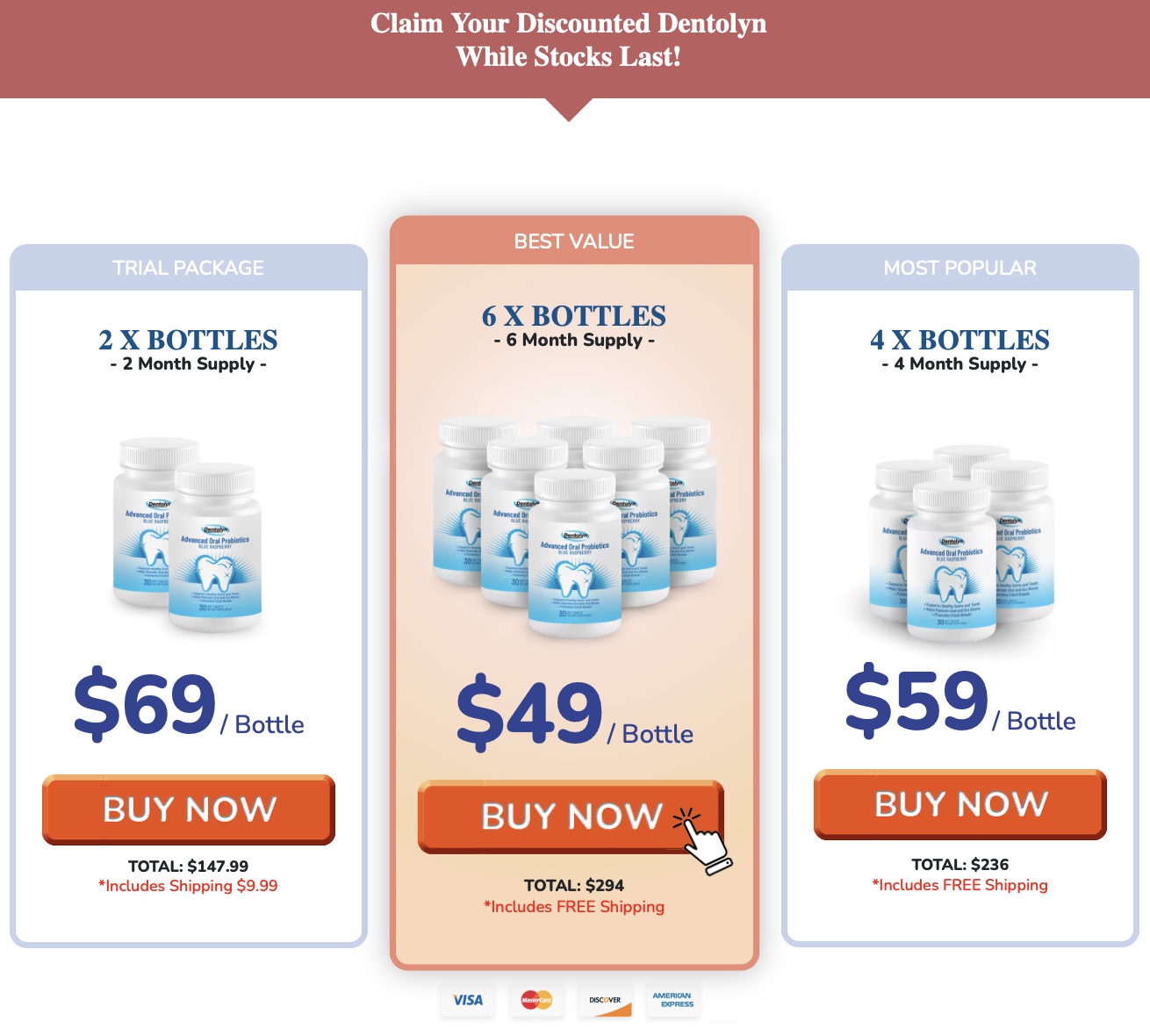
Compare current Dentolyn packages
Ready to compare the current offer?
Only move to package selection after the health, evidence and trust questions are clear.
Frequently Asked Questions
What is oral microbiome dysbiosis?
It is a disruption in the composition or functioning of the oral microbial community.
Can I tell from symptoms that I have dysbiosis?
Not reliably. Symptoms such as bad breath or gum bleeding do not reveal a precise microbiome profile by themselves.
What can contribute to oral microbiome imbalance?
Poor oral hygiene, dietary habits, medical conditions, medications and lifestyle factors can influence the oral microbial environment.
Is dysbiosis linked to cavities and gum disease?
The reviewed literature associates oral dysbiosis with caries, periodontal disease, halitosis and candidiasis, but these conditions remain distinct.
Does Dentolyn treat oral dysbiosis?
The current evidence set does not establish Dentolyn as a proven treatment for dysbiosis or as a product that restores a defined microbial composition.
What should I do first if I am concerned?
Address the specific oral problem, improve plaque control and hygiene, review contributing factors and seek professional assessment for persistent or concerning symptoms.